From the “Worst-Case” to the “Best-Case”: Rewiring Your Brain to Ask, “What If It Goes Right?”
HYDERABAD — The human brain is naturally wired to protect us by scanning for threats, an evolutionary trait that often goes into overdrive during high-stakes school evaluations. When facing major exams, the adolescent mind frequently falls into catastrophic thinking, mentally mapping out every worst-case scenario from failing a test to ruining their entire career.
To disrupt this default loop, a simple Cognitive Behavioral Therapy (CBT) technique is being repurposed online into an incredibly popular positive trend: flipping the narrative to ask, ‘What if it goes right?’ Students are challenged to spend equal mental energy mapping out the absolute best-case outcomes for their upcoming milestones.
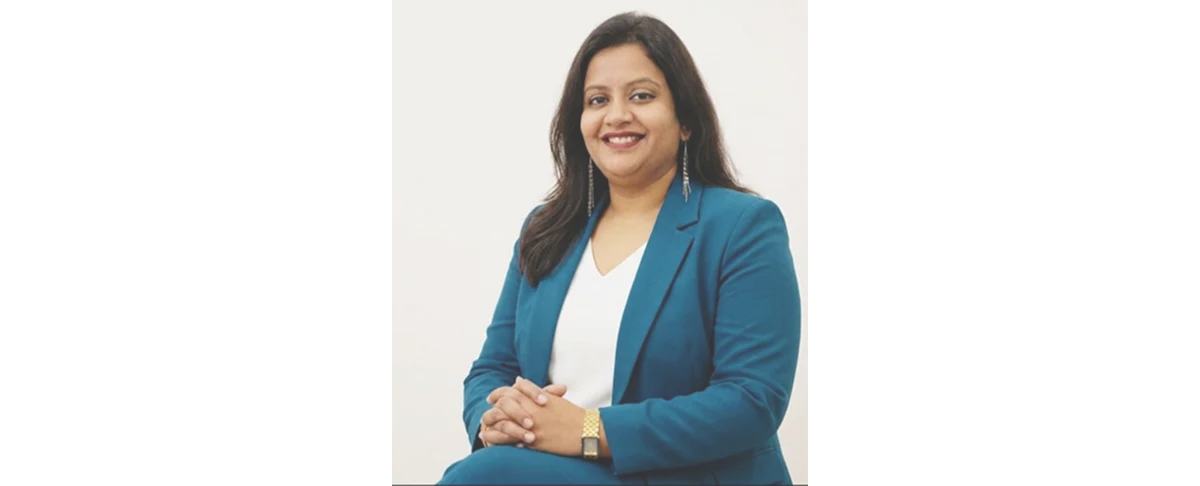
“Catastrophizing turns everyday academic pressure into an immobilizing wave of physical and mental anxiety,” says Dr. Shripuja Siddamsetty, Consultant Clinical Psychologist and Corporate Trainer. “When an adolescent constantly visualizes failure, their body responds as if that failure is already happening, raising cortisol levels significantly. Forcing the mind to vividly imagine a positive outcome—like remembering an answer perfectly or feeling calm at their desk—actively disrupts that stress loop. This cognitive pivot doesn’t just lower anxiety; it builds the optimistic mindset necessary for lifelong psychological resilience across all stages of adolescence.”
About the Author